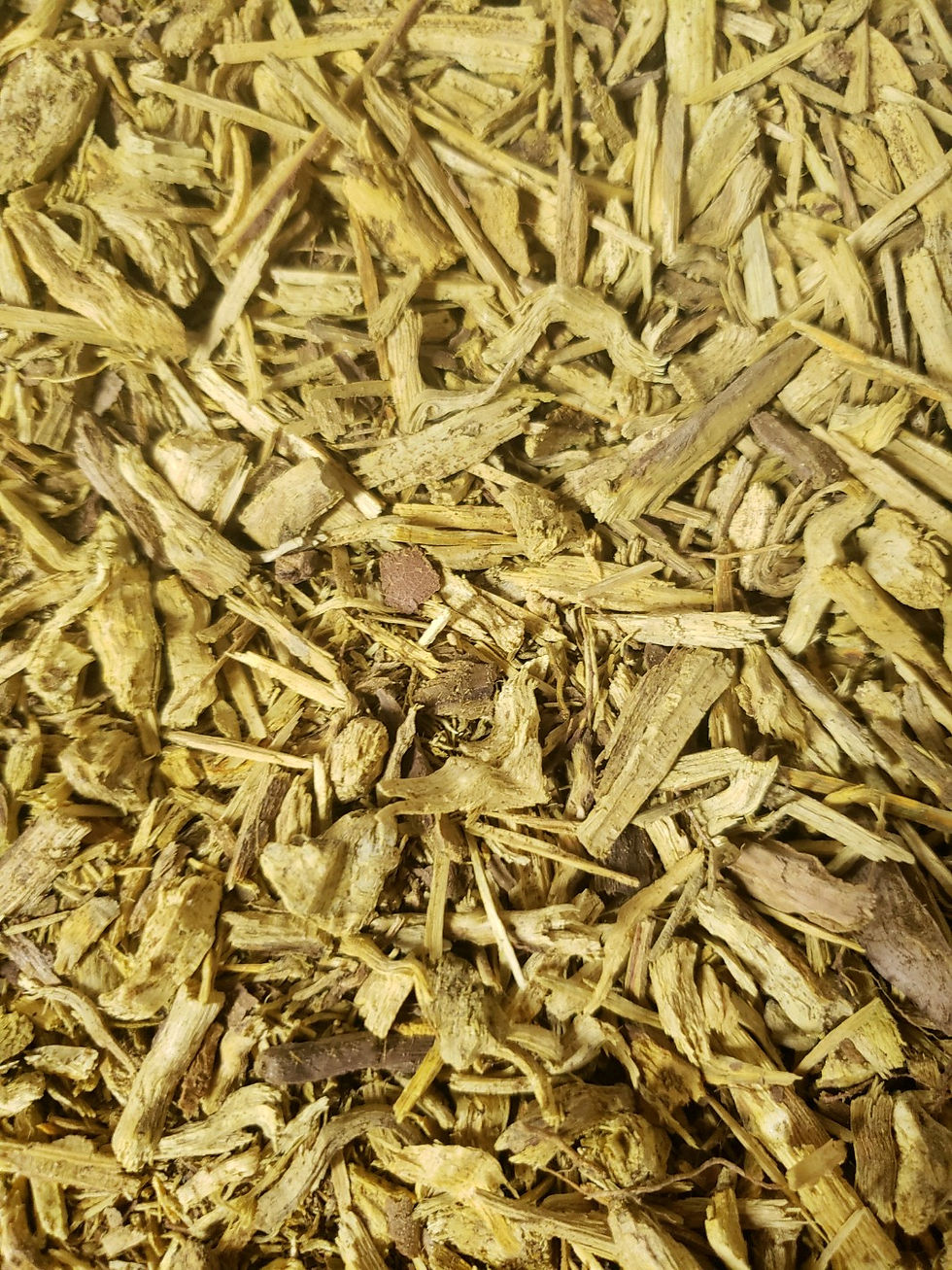
Chickweed (Dried)
Chickweed (Stellaria media)
The Benefits of Chickweed
Chickweed: (Stellaria media) Though frequently dismissed as a "common weed," chickweed offers numerous healing properties that support the body's transition from winter .
Key Benefits of Chickweed
Skin Health and Comfort
Chickweed is known for its cooling and moistening qualities. Applied topically, a poultice of fresh chickweed leaves or a chickweed salve can soothe:
Bug bites
Itchy rashes
Mild inflammatory skin conditions (e.g., eczema)
To make a poultice: Mash a small handful of the aerial parts using a mortar and pestle, then apply it externally to the irritated area for about 15 minutes.
Immune and Fluid Balance Support
This herb acts as a lymphatic tonic, gently helping with lymphatic stagnation. As a demulcent, chickweed can also address dry, irritated internal conditions, such as:
Dry cough
Sore throat
It is particularly effective for soothing a dry cough or sore throat when consumed as a tea
Nutritional Value
Chickweed is a nutrient-dense, edible plant that supports healthy digestion and overall vitality. Its mild taste makes it a versatile ingredient, commonly enjoyed as:
A salad green
Pesto
An addition to various meals, including grilled cheese
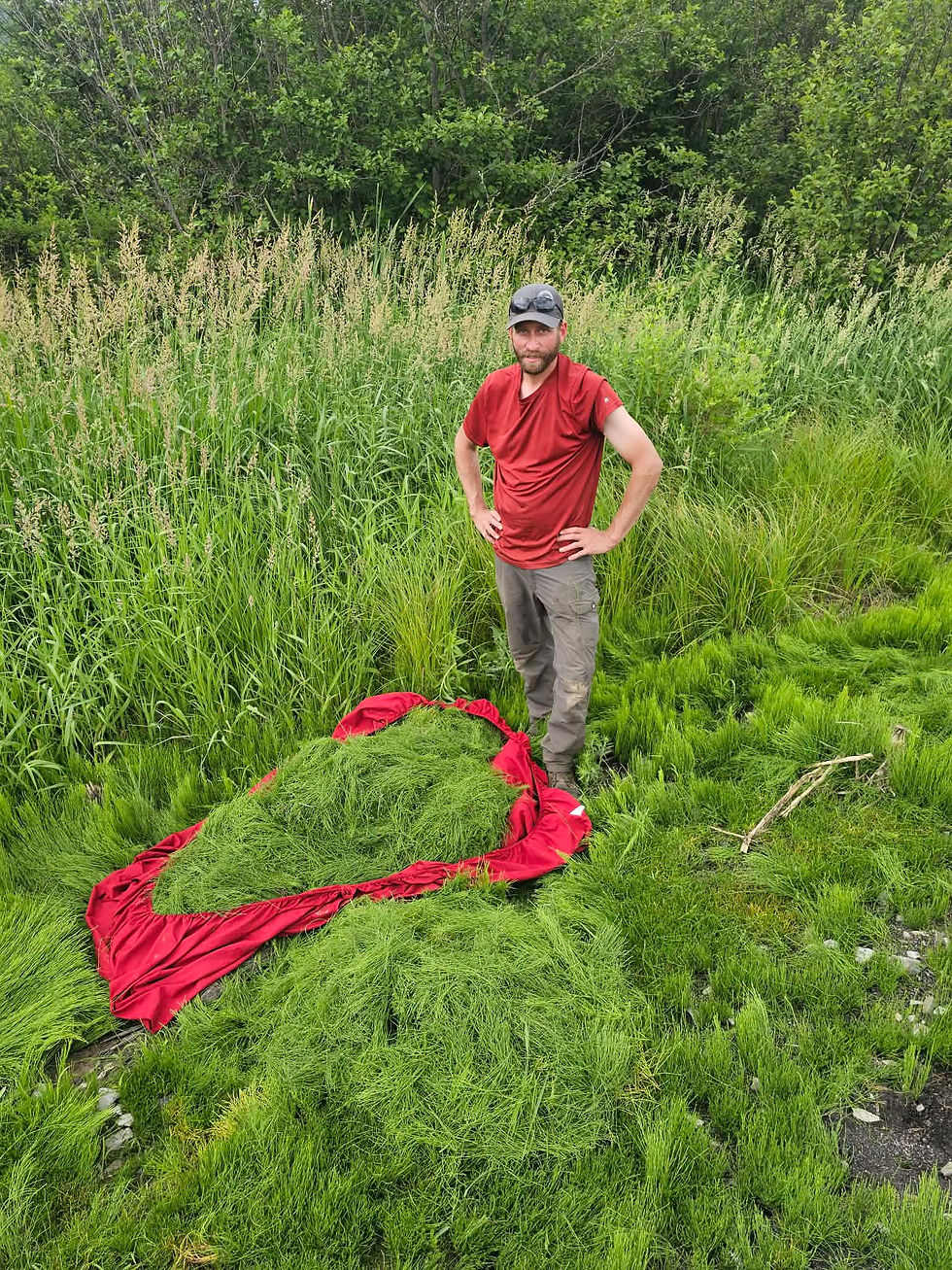
Since it typically grows as a wild "weed," chickweed is often wildcrafted. When harvesting, ensure the area is unpolluted and properly identify the plant.
How to Use Chickweed
Preparation | Application | Primary Use |
Fresh Poultice | External (Topical) | Cools hot, itchy, irritated skin; provides immediate comfort. |
Salve or Cream | External (Topical) | General skin support. |
Infusion/Tea | Internal | Gentle moisture for dry, inflamed tissues; addresses dry cough/sore throat. |
Fresh Plant Tincture | Internal | A classic preparation for general use. |
As Food | Internal | Nutritional support; aids digestion. |
Plant Profile
What is it? A low, mat-forming annual in the Caryophyllaceae family.
Identification: Opposite oval leaves on slender, sprawling stems; a fine line of hair runs along the stem; tiny white, star-like flowers with five deeply split petals.
Parts Used: Fresh aerial parts.
How to Grow: Thrives in cool weather and moist, fertile soil; tolerates full sun to partial shade; spreads easily by seed and rooting at the nodes.
Harvesting: Pick tender tops when lush and green, before heavy seeding or the onset of heat.
Contraindications
Chickweed contains saponins. Excessive intake—generally considered an extremely large amount—can cause digestive upset. As with any herb, it is recommended to start slowly to observe how your body reacts.
Can chickweed help with skin ailments?
Yes, it is a fantastic ally for common skin issues like insect bites and inflamed skin due to eczema and other mild rashes.
Where is chickweed native to?
While native to Europe, this wild herb has naturalized and spread throughout North America.
What can I make with chickweed?
In addition to salads, pesto, cold soups, and grilled cheese, its mild taste works well in many dishes. Popular preparations include an herbal vinegar (infused in apple cider vinegar) or lightly sautéing it, perhaps paired with spicy mustard greens for a kick.