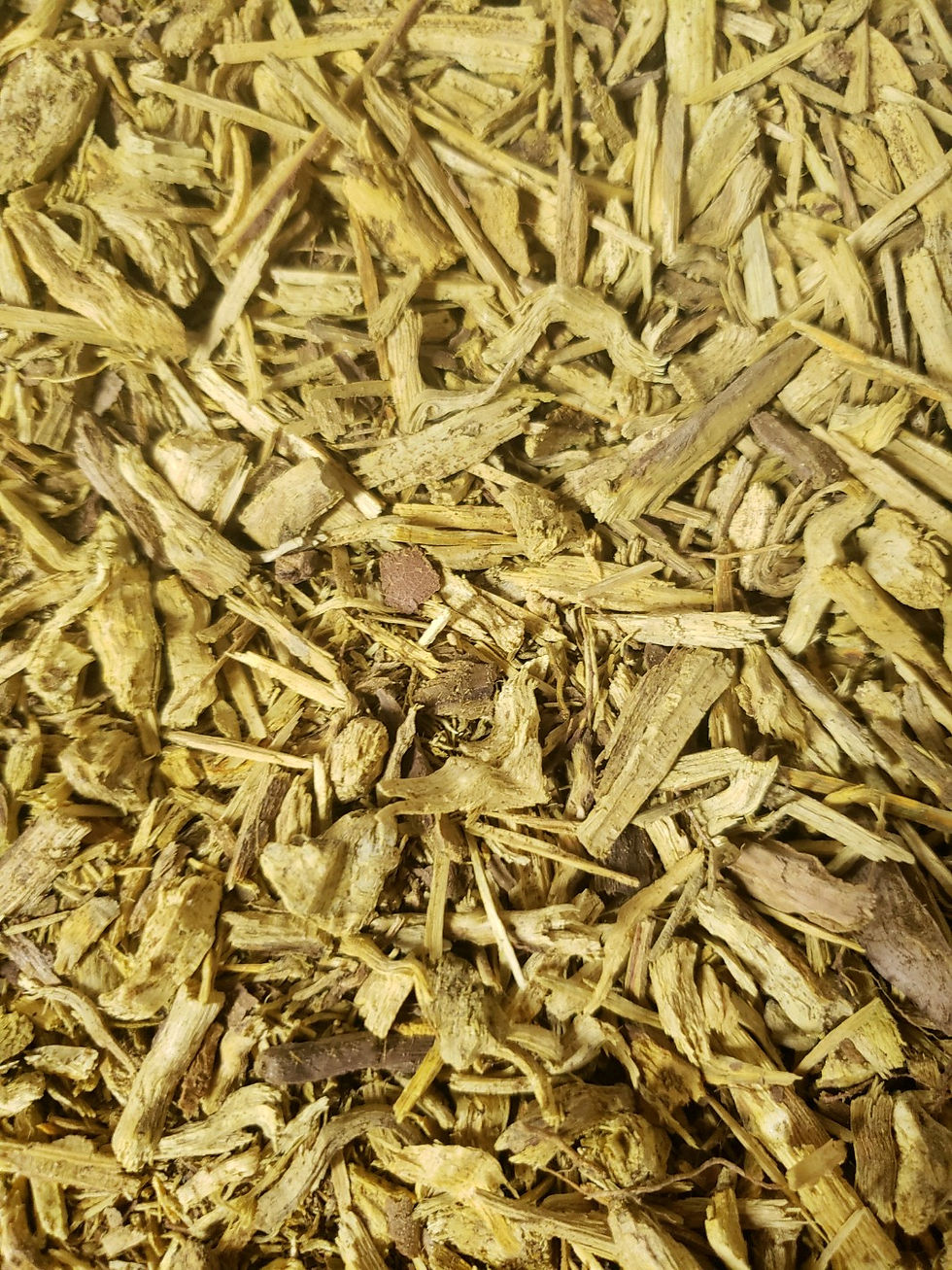
Lamb's Quarters (Dried)
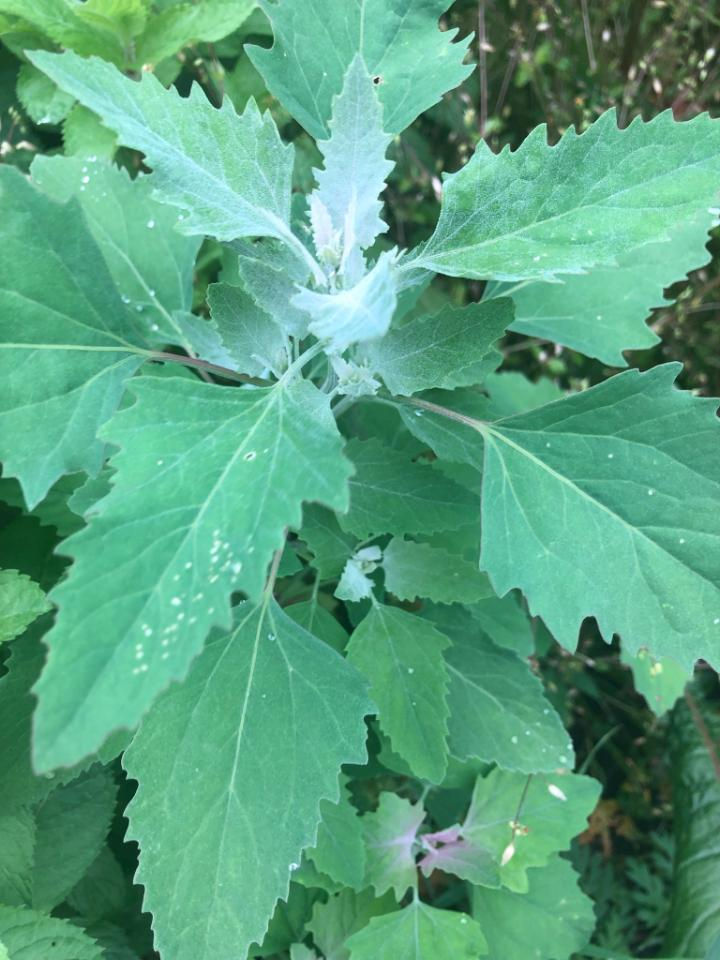
Lamb's Quarters (Chenopodium Spp)
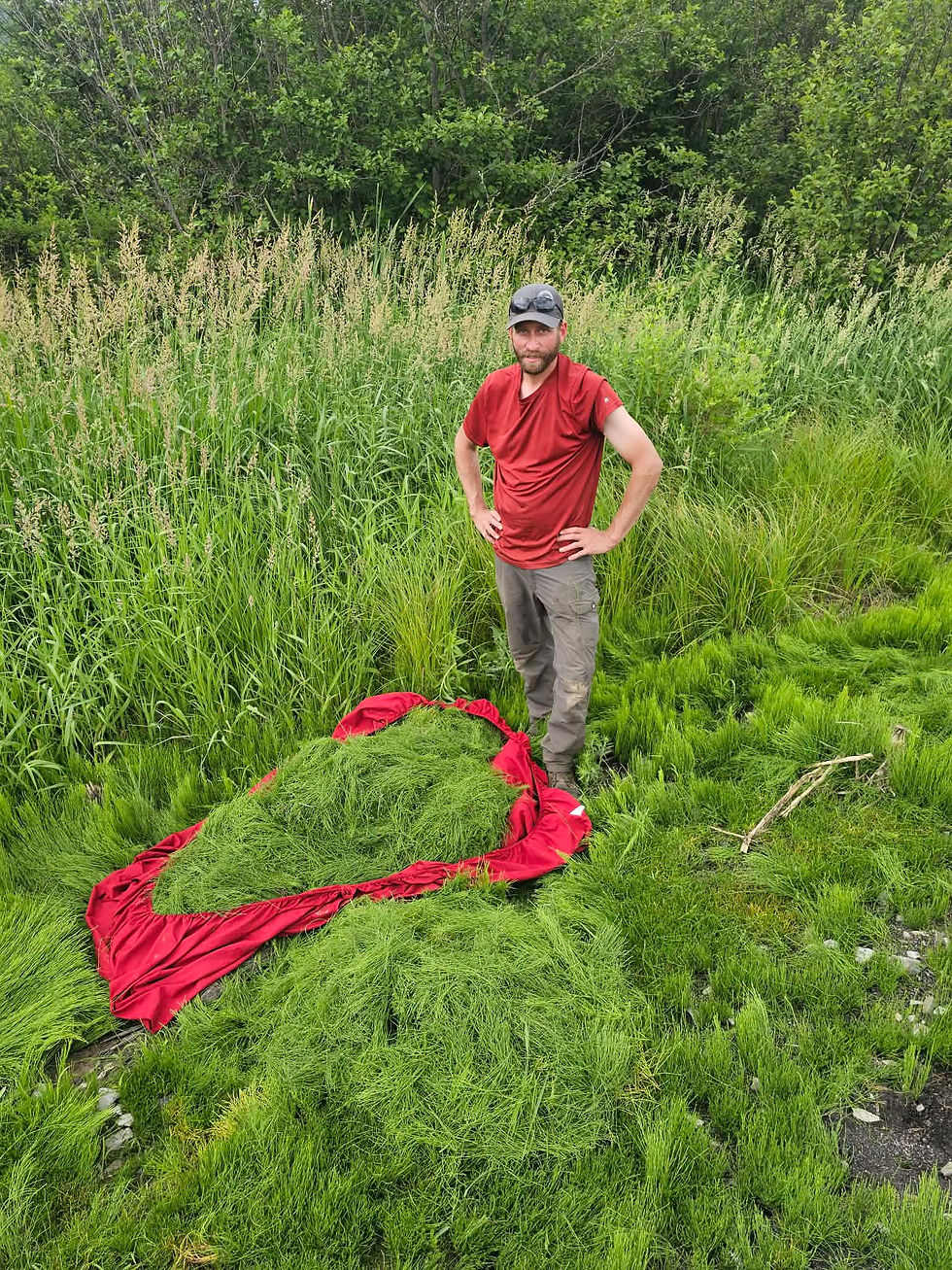
I continue to find deep satisfaction in harvesting my own food and herbs, particularly lamb's quarters. This fast-growing annual plant, often dismissed as a weed, is native to Eurasia and can reach up to 6 feet tall. It belongs to the Amaranthaceae family, in the genus Chenopodium. -Andrea
Lamb's quarters is known by many common names, including Fat Hen, Goosefoot, White Goosefoot, Pigweed, Dung Weed, Baconweed, and Wild Spinach. One name, "fat hen," comes from its historical use as chicken feed believed to fatten the fowl. Lamb's quarters is related to several other vegetables, including quinoa, beets, spinach, okra, and epazote. It is easily foraged and grows all across North America (and globally) in streams, rivers, forest clearings, fields, and disturbed soils. It’s a hardy, self-seeding plant that helps restore healthy nutrients to poor-quality soil.
Nutritional Value and Edible Uses
Lamb's quarters (Chenopodium album) is a highly underutilized and flavorful leafy vegetable, much like spinach! Its nutritional profile is impressive. It is an excellent source of dietary fiber, protein, Thiamin, Riboflavin, Niacin, Folate, Vitamin A, Vitamin C, Vitamin B6, Calcium, Iron, Magnesium, Phosphorus, Potassium, Copper, and Manganese, and it contains omega-3 and omega-6 fatty acids.
It boasts significantly more iron, protein, Vitamin B2, and Vitamin C than both spinach and cabbage.
Every part of the plant is edible, including the leaves, shoots, seeds, and flowers, making it a versatile vegetable.
Leaves and Shoots: The young greens, especially the tender spring growth, can be juiced for their high content of calcium, vitamins A, C, and B complex, along with vital enzymes, chlorophyll, and trace minerals. The juice offers a gentle detoxifying nature. The high chlorophyll content is valuable for purifying the body of toxins, as chlorophyll binds to or "chelates" toxins stored in fat cells and helps remove them via urine.
Seeds: The high-protein seeds are also edible and nutritious. Just one plant can produce between 75,000 and 100,000 seeds, which can be used to make flour and bread. Sprouting the seeds is another way to increase their benefits and extend your winter stores, concentrating their already high nutritional value.
Cooking Methods and Culinary Tips
Given that most commercial leafy vegetable consumption is limited to lettuce or the Brassicaceae family (like kale and cabbage), incorporating diverse species like lamb's quarters is highly beneficial.
My preferred way to cook "weeds" like lamb's quarters is to boil or steam them, then dress them with olive oil, a dash of Bragg’s aminos or naturally fermented shoyu soy sauce, and a splash of vinegar.
Other simple culinary ideas include:
Adding a few leaves to scrambled eggs or omelets.
Sautéing and drizzling with olive oil.
Lightly steaming and serving with butter, salt, and pepper.
Tossing the leaves into any stir-fry.
Making a wonderful pesto, often combined with other wild foods.
Adding to soups and sautés.
Drying or blanching and freezing the leaves for winter use.
Important Note on Oxalic Acid and Goitergens
Like spinach and rhubarb, lamb's quarters is high in oxalic acid. When consumed raw, oxalic acid binds with minerals, such as calcium, which can prevent the body from using that calcium for bone strength and potentially lead to the formation of kidney stones.
Furthermore, raw consumption of these plants may introduce 'goitergens,' compounds known to interfere with the thyroid gland's use of iodine. This is a concern given the prevalence of hypothyroidism. I caution against the current trend of serving raw or lightly-cooked kale, spinach, broccoli, cabbage, or cauliflower.
The good news is that the nutritional value of these important vegetables is preserved, and the worry about oxalic acid and goitergens is eliminated by soaking and cooking the plants sufficiently to leach out and reduce their content. Lamb's quarters can be eaten raw in salads or added to smoothies and juices, but only in small quantities. Cooking removes the oxalic acid.
Traditional Medicinal Uses
Historically, lamb's quarters has been used in various traditional medicinal applications:
Topical/External Uses:
Crushed leaves can be applied to the skin to soothe insect bites, minor wounds, sunburns, and inflammation.
A poultice from simmered leaves may help alleviate achy or swollen joints.
Dried or powdered leaves have been applied to skin irritations.
The leaf powder reconstituted with water has been used as nose drops.
Internal Uses:
A tea made from the leaves can treat stomachaches, diarrhea, loss of appetite, and has been used for kidney disorders, intestinal worms, gastric or urinary tract complaints, and peptic ulcers.
The leaves are used in Ayurveda to increase digestion, assist with infections, and cleanse the body.
Some cultures use the plant to treat liver disorders (including hepatitis and jaundice) and to ward off scurvy.